
Understanding Anxiety: Symptoms, Progression, and How Therapy Helps
Anxiety doesn’t always look like constant worry or panic. For many people, anxiety shows up through unexpected physical symptoms, emotional changes, or behavioral patterns that are often mistaken for medical issues, burnout, or personality traits. At Restore Counseling Services, we help individuals understand anxiety at every stage and provide effective therapy to restore balance, clarity, and emotional well-being.
Many people are surprised to learn that anxiety symptoms, especially physical ones, are not dangerous, even when they feel intense. With the right support, anxiety is highly treatable, and many people experience significant relief.
Common Symptoms of Anxiety
Anxiety affects both the mind and body. Symptoms can vary from person to person and may change depending on stress levels, life circumstances, or overall health.

Physical Symptoms
Some people first notice anxiety through physical sensations, such as:
- Digestive discomfort, nausea, or stomach pain
- Chest tightness or pressure
- Shortness of breath or frequent sighing
- Dizziness or lightheadedness
- Muscle tension, jaw clenching, or headaches
- Tingling or numbness in the hands or feet
- Persistent fatigue, even with adequate rest
These symptoms are real and can be distressing, even when medical evaluations do not identify a physical cause.
Emotional and Cognitive Symptoms
Anxiety can also affect thoughts, emotions, and mental clarity:
- Racing thoughts or difficulty slowing the mind
- Trouble concentrating or “brain fog”
- Intrusive or repetitive thoughts
- Increased self-doubt or fear of making mistakes
- Emotional numbness or feeling disconnected
- Irritability or heightened emotional reactions
Behavioral Signs of Anxiety
Over time, anxiety may influence daily habits and choices:
- Avoiding situations that feel overwhelming or uncertain
- Procrastination related to fear or pressure
- Perfectionism or a strong need for control
- Difficulty falling or staying asleep
- Seeking reassurance from others
- Using food, caffeine, or other substances to cope
How Anxiety Can Progress
Anxiety often develops gradually and may intensify without support.
| Early Anxiety | Ongoing Anxiety | Chronic or Severe Anxiety |
| Occasional worry or nervousnessDifficulty relaxingAnxiety connected to specific stressorsDaily functioning remains manageable | Persistent worry or overthinkingSleep or concentration difficultiesPhysical symptoms occur more oftenAvoidance behaviors increase | Anxiety feels constant or unpredictablePanic attacks may occurEmotional exhaustion or withdrawal from othersIncreased rumination or health-related fearsDepression may develop alongside anxiety |
How Therapy Can Help with Anxiety
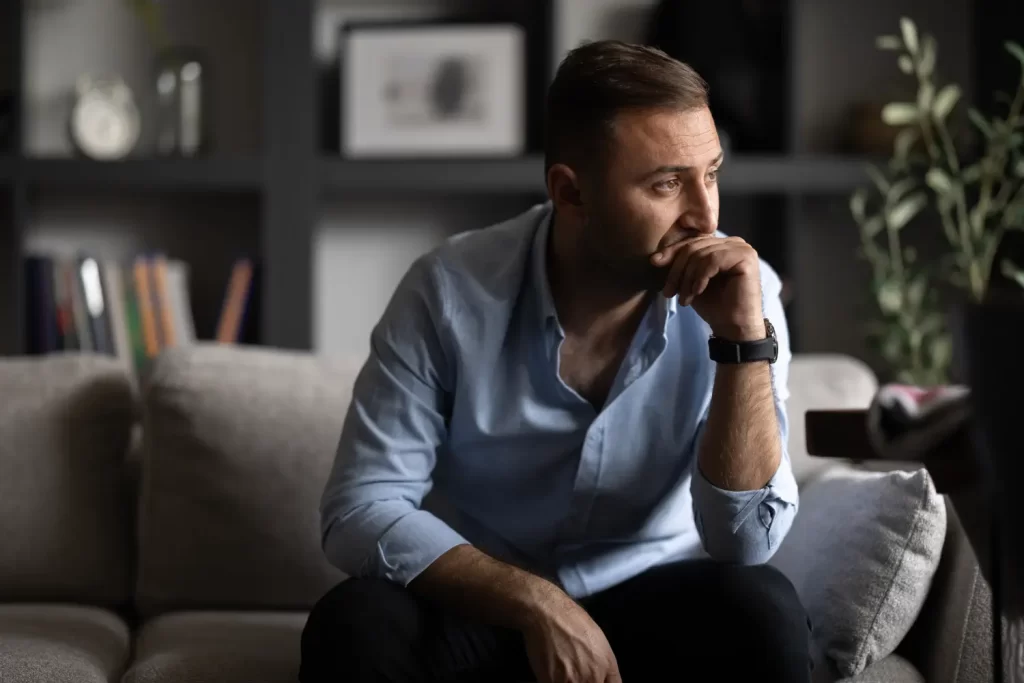
Therapy can help individuals better understand anxiety and develop tools to manage it more effectively. Counseling often focuses on both immediate symptom relief and long-term emotional well-being.
In therapy, individuals may:
- Identify triggers and patterns related to anxiety
- Learn grounding and nervous system regulation techniques
- Develop healthier thinking patterns
- Reduce avoidance behaviors
- Build emotional resilience and coping skills
- Explore underlying experiences such as trauma, grief, or chronic stress
- Practice self-compassion and emotional awareness
With support, anxiety can become more manageable and less disruptive to daily life.
Anxiety Counseling at Restore Counseling Services
If anxiety is affecting your well-being, relationships, or ability to function day to day, you are not alone. Restore Counseling Services offers a supportive, nonjudgmental approach to anxiety counseling, helping individuals move toward clarity, balance, and restoration.
Seeking help is a meaningful step toward healing—and support is available.
Restore Counseling Services provides office-based, school-based and telehealth therapy in Lancaster, County, PA.